Home Blog

Helping Children Reach Their Natural Growth Potential

0

Every parent wants to see their child thrive, and one of the clearest signs of healthy development is steady growth. While children naturally grow at different rates, significant changes in a child’s growth pattern may prompt families to seek answers. The good news is that most growth concerns can be evaluated through a structured medical assessment, helping determine whether a child is following a normal developmental path or whether further investigation is appropriate.

Understanding how growth is evaluated can help parents make informed decisions without relying on myths or comparisons with other children.

Growth Is a Long-Term Process

Children do not grow at the same pace every year. Some experience early growth spurts, while others grow steadily over a longer period. Because of these natural differences, healthcare providers focus on long-term growth trends instead of a single height measurement.

During routine visits, physicians often monitor:

  • Growth velocity
  • Height percentile
  • Weight progression
  • Body proportions
  • Family growth history
  • Stage of puberty

These measurements provide valuable information about a child’s overall development.

Can You Predict Adult Height?

One question children frequently ask is, how tall will I be when I grow up?

Although doctors can estimate adult height using parental heights, growth charts, and bone age imaging, these predictions are never exact. Genetics establish the potential for height, but nutrition, hormone function, chronic illnesses, sleep quality, and the timing of puberty can all influence the final outcome.

For that reason, healthcare providers generally place greater emphasis on monitoring healthy growth than attempting to predict an exact adult height.

Reasons Growth May Slow

There are many possible explanations for slower growth during childhood.

Some children simply have familial short stature or constitutional growth delay. Others may experience slower growth because of:

  • Growth hormone deficiency
  • Thyroid disorders
  • Nutritional deficiencies
  • Gastrointestinal diseases
  • Chronic inflammatory conditions
  • Kidney disorders
  • Certain genetic conditions

A comprehensive evaluation helps determine which explanation best fits the individual child.

Understanding hgh for kids

Parents researching hgh for kids often find a wide variety of information online. However, treatment decisions are based on careful medical evaluation rather than height alone.

Specialists review annual growth rate, hormone testing, bone age, predicted adult height, overall health, and the underlying diagnosis before recommending therapy. When treatment is appropriate, children continue with regular follow-up visits to monitor growth, assess response, and ensure therapy remains safe and effective throughout childhood.

Every recommendation is tailored to the child’s unique medical needs.

Exploring height treatment

When families begin learning about height treatment, it’s important to recognize that treatment may involve several different approaches depending on the cause of slow growth. Some children benefit from improving nutrition or managing an underlying medical condition, while others may simply require observation and continued monitoring.

For children diagnosed with specific endocrine disorders, physicians may discuss growth hormone therapy as one component of a personalized treatment plan. The primary goal is always to support healthy growth based on sound medical evidence rather than focusing solely on increasing height.

Why Early Evaluation Is Important

Childhood growth occurs during a limited period before growth plates naturally close in late adolescence. Once skeletal maturity is reached, additional natural height gain is no longer possible.

Because of this, healthcare providers encourage families not to ignore persistent growth concerns. Early evaluation provides more opportunities to identify underlying conditions, establish an accurate diagnosis, and determine whether treatment or continued observation is the most appropriate course of action.

Even if no medical intervention is recommended, understanding a child’s growth pattern often provides reassurance for both parents and children.

Supporting Healthy Growth

Healthy growth is influenced by many factors working together. Balanced nutrition, regular physical activity, quality sleep, routine pediatric care, and careful monitoring all contribute to helping children reach their natural growth potential.

By paying attention to long-term growth trends and seeking professional guidance when questions arise, families can better understand their child’s development and make informed decisions that support lifelong health.

HGH for Height in Kids: When Growth Hormone Therapy Can Help Children Grow Taller

0

Every parent wants to see their child grow and thrive. While children develop at different rates, consistently slow growth or a noticeable decline on the growth chart may signal an underlying medical condition rather than simply being “a late bloomer.”

For some children, human growth hormone (HGH) therapy can help improve growth velocity and increase adult height potential. However, HGH is not a treatment for every child who is shorter than average. The key is determining why a child isn’t growing normally.

In this guide, we’ll explain how HGH works, which children may benefit, what parents can expect during treatment, and the important factors to consider before starting therapy.What Is HGH?

Human growth hormone (HGH), also known as somatropin, is a naturally occurring hormone produced by the pituitary gland. It plays a central role in childhood growth by stimulating the production of insulin-like growth factor-1 (IGF-1), which promotes bone growth at the growth plates and supports normal physical development.

When a child does not produce enough growth hormone—or has another medical condition that affects growth—height velocity may slow significantly.Can HGH Help Kids Grow Taller?

Yes—but only in the right circumstances.

Growth hormone therapy is designed to help children who have medically diagnosed growth disorders. When prescribed appropriately and started while the growth plates remain open, HGH can improve growth velocity and help many children reach a taller adult height than they would without treatment.

The earlier an eligible child is diagnosed, the more opportunity there is to support healthy growth before the growth plates close during adolescence.Which Children May Be Candidates for HGH Therapy?

A pediatric growth specialist may recommend further evaluation if a child:

  • Is growing less than expected for their age
  • Falls across multiple height percentiles on the growth chart
  • Has significantly delayed bone age
  • Has a confirmed growth hormone deficiency
  • Was born small for gestational age and failed to achieve catch-up growth
  • Has Turner syndrome, Prader-Willi syndrome, chronic kidney disease, or another approved medical condition
  • Has idiopathic short stature after a comprehensive evaluation

Not every child with short stature requires growth hormone therapy. Some children are naturally shorter because of family genetics or constitutional growth delay and may simply need careful monitoring.How Does HGH Therapy Work?

Growth hormone therapy involves giving a synthetic version of the hormone that the body naturally produces.

Most children receive a small injection under the skin once each day. During treatment, physicians regularly monitor:

  • Height velocity
  • Weight
  • IGF-1 levels
  • Bone age
  • Pubertal development
  • Overall health

These follow-up visits allow treatment to be adjusted as the child grows and ensure therapy remains both safe and effective.How Much Height Can HGH Add?

This is one of the most common questions parents ask.

The answer depends on several factors, including:

  • The child’s age when treatment begins
  • The underlying diagnosis
  • Growth plate maturity
  • Genetics
  • Consistency with treatment
  • Individual response to therapy

Some children experience dramatic improvements in growth velocity during the first year of treatment, while others grow more gradually. The goal is not to make a child taller than their genetic potential but to help them reach the height their body was capable of achieving if the underlying growth disorder had not been present.Why Early Evaluation Matters

One of the biggest mistakes families make is waiting too long to investigate poor growth.

Once growth plates fuse during late puberty, growth hormone can no longer increase height. That’s why pediatric growth specialists emphasize early evaluation when a child’s growth pattern becomes concerning.

Parents should seek medical evaluation if they notice:

  • Growth slowing over multiple years
  • Clothing sizes remaining unchanged
  • Falling percentiles on the growth chart
  • Delayed puberty
  • Family concern that growth seems unusually slow

Early diagnosis creates more treatment opportunities.Is HGH Safe for Children?

When prescribed for an approved medical condition and monitored by an experienced healthcare provider, recombinant human growth hormone has been used safely in children for decades.

Like any prescription medication, HGH may have potential side effects and requires regular monitoring throughout treatment. For this reason, therapy should only begin after a comprehensive medical evaluation confirms that growth hormone is appropriate for the child.

Parents considering treatment should understand both the potential benefits and limitations before making a decision.

For a balanced discussion of the advantages, disadvantages, and considerations surrounding treatment, read Pediatric Height Therapy: Pros and Cons – What Parents Should Know Before Considering Treatment:

https://hghforchildren.com/blog/pediatric-height-therapy-pros-and-cons-what-parents-should-know-before-considering-treatmentHow Much Does HGH Treatment Cost?

Because growth hormone therapy often continues for several years, families should understand the financial commitment before starting treatment.

The total cost depends on factors such as:

  • Insurance coverage
  • Medication dosage
  • Child’s weight
  • Treatment duration
  • Follow-up monitoring

A detailed overview of treatment expenses is available in Long-Term Cost of Growth Hormone Treatments in Kids:

https://hghforchildren.com/blog/long-term-cost-of-growth-hormone-treatments-in-kids

Understanding the long-term financial commitment can help families plan ahead and make informed decisions.Learning More About HGH for Children

Parents who are beginning to research growth hormone therapy often have many questions about how treatment works, who qualifies, what testing is required, and what results are realistic.

For a comprehensive overview of pediatric growth hormone therapy, visit HGH for Children to Grow Taller, which explains the evaluation process, treatment expectations, and common causes of poor growth:

https://hghforchildren.com/hgh-for-children-to-grow-tallerFinal Thoughts

Growth hormone therapy has helped many children with medically diagnosed growth disorders improve their growth and move closer to their genetic height potential. However, HGH is not appropriate for every child who is shorter than average, and treatment should never begin without a thorough medical evaluation.

If your child is growing more slowly than expected, has fallen off their growth curve, or has been diagnosed with a condition that affects growth, speaking with a pediatric growth specialist can provide valuable answers. Early diagnosis, individualized treatment, and ongoing monitoring offer the best opportunity to support healthy growth during the years when it matters most.

Chemotherapy in Bangalore: Advanced Treatment Options at a Leading Chemotherapy Center in Bangalore

0

Introduction to Chemotherapy Care in Bangalore

Cancer treatment requires specialized medical expertise, advanced technology, and compassionate support. Bangalore has become a major healthcare destination in India, offering modern cancer treatment facilities and experienced oncology specialists. Patients seeking effective cancer care can access advanced therapies and personalized treatment plans based on their specific medical needs. Chemotherapy in Bangalore provides cancer patients with access to quality healthcare services, advanced medicines, and expert supervision throughout their treatment journey.

Chemotherapy is a commonly used cancer treatment that involves the use of powerful medicines to destroy cancer cells or control their growth. It may be recommended as the main treatment option or combined with surgery, radiation therapy, and other advanced cancer therapies. The treatment approach depends on factors such as cancer type, stage, patient health condition, and treatment goals.

Understanding the Role of Chemotherapy Treatment

Chemotherapy works by targeting cells that grow and divide quickly, which includes cancer cells. Oncologists carefully select suitable chemotherapy drugs and treatment schedules to achieve the best possible results. Regular health evaluations help doctors understand how the body responds to treatment and make necessary adjustments when required.

With advancements in medical science, chemotherapy has become more precise and patient-friendly. Modern treatment methods focus on improving effectiveness while reducing discomfort and managing possible side effects. Supportive care, nutritional guidance, and regular monitoring help patients maintain better health during chemotherapy sessions.

Selecting the Right Chemotherapy Center in Bangalore

Choosing an experienced healthcare facility is an important step for cancer treatment. A trusted Chemotherapy Center in Bangalore offers comprehensive cancer care with advanced infrastructure, skilled oncology teams, and patient-focused services. These centers provide safe chemotherapy administration under the supervision of qualified medical professionals.

A reputed chemotherapy facility provides various services, including cancer diagnosis, treatment planning, chemotherapy sessions, follow-up consultations, and supportive care. Many centers have multidisciplinary teams consisting of oncologists, nurses, radiologists, and other healthcare experts who collaborate to provide complete treatment solutions.

Benefits of Chemotherapy Treatment in Bangalore

Bangalore is recognized for its advanced healthcare infrastructure and availability of highly trained medical specialists. Patients undergoing chemotherapy in the city can benefit from modern technology, advanced diagnostic facilities, and evidence-based treatment approaches.

Cancer centers in Bangalore provide different chemotherapy options depending on the patient’s condition. These may include intravenous chemotherapy, oral chemotherapy medicines, combination treatments, and other specialized therapies. Doctors carefully evaluate medical reports before selecting the most appropriate treatment plan.

Another advantage of receiving chemotherapy in Bangalore is access to complete cancer care services. Patients can receive diagnosis, treatment, monitoring, and follow-up support in well-equipped medical facilities, making the treatment process more organized and convenient.

Personalized Treatment Approach for Better Outcomes

Every cancer patient has different healthcare requirements, making personalized treatment planning essential. Oncologists consider various factors such as cancer stage, medical history, overall health, and previous treatments before creating a chemotherapy plan.

Personalized care helps improve treatment efficiency and allows doctors to manage possible side effects effectively. Along with medical treatment, emotional support, counseling, and lifestyle guidance can help patients and families handle the challenges associated with cancer therapy.

Advanced Facilities and Expert Oncology Support

Modern chemotherapy centers focus on providing a comfortable and safe environment for patients. Advanced chemotherapy units, infection control systems, emergency support facilities, and experienced nursing teams contribute to better treatment experiences.

Bangalore’s oncology specialists use updated medical approaches and advanced technologies to provide effective cancer care. Continuous monitoring during treatment allows doctors to track progress and make informed decisions for improved patient outcomes.

Importance of Choosing Quality Cancer Care

The success of chemotherapy depends on accurate diagnosis, proper treatment planning, and expert medical supervision. Choosing a reliable cancer care facility ensures that patients receive appropriate therapies and continuous support throughout their treatment journey.

Patients and families should consult qualified oncology professionals to understand available treatment options and select the approach that best suits their health condition. With access to advanced facilities and experienced specialists, Bangalore offers promising options for individuals undergoing cancer treatment.

Conclusion

Chemotherapy has become an important part of modern cancer management, helping many patients control disease progression and improve their quality of life. Bangalore provides excellent opportunities for cancer care through advanced hospitals, experienced doctors, and comprehensive treatment services. Selecting the right chemotherapy facility can help patients receive safe, effective, and personalized care during their cancer treatment journey.

Top Nephrologist In Bangalore | Expert Nephrologist In Bangalore for Complete Kidney Care

0

Introduction

Healthy kidneys are essential for maintaining the body’s overall balance. They remove waste, regulate blood pressure, balance fluids, and support important hormonal functions. When kidney problems arise, seeking timely medical care is crucial to prevent long-term complications. Consulting a Top Nephrologist In Bangalore can help patients receive an accurate diagnosis and effective treatment tailored to their condition. Bangalore has become one of India’s leading healthcare destinations, offering access to experienced nephrologists, advanced diagnostic facilities, and modern treatment options for various kidney diseases.

What Does a Nephrologist Do?

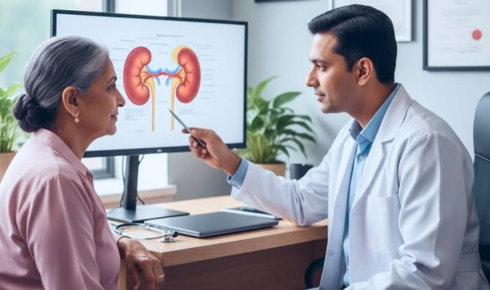
A nephrologist is a medical specialist who diagnoses and treats diseases affecting the kidneys. They manage conditions such as chronic kidney disease, acute kidney injury, kidney infections, diabetic kidney disease, electrolyte imbalances, and hypertension caused by kidney disorders. In addition, nephrologists supervise dialysis treatments, evaluate patients for kidney transplantation, and monitor long-term kidney health. Their expertise helps patients maintain kidney function while improving overall quality of life.

Common Kidney Diseases

Kidney disorders can develop silently, often without noticeable symptoms in the early stages. Some of the most common kidney conditions include chronic kidney disease, kidney stones, glomerulonephritis, nephrotic syndrome, polycystic kidney disease, and urinary tract infections involving the kidneys. Early diagnosis through routine blood tests, urine analysis, and imaging scans allows timely treatment, reducing the risk of permanent kidney damage and improving long-term outcomes.

Why Choose Bangalore for Kidney Care?

Patients searching for an experienced Nephrologist In Bangalore benefit from the city’s advanced healthcare infrastructure and highly qualified specialists. Bangalore is home to internationally recognized hospitals equipped with state-of-the-art diagnostic laboratories, modern dialysis centers, and comprehensive transplant programs. Patients receive coordinated care from multidisciplinary teams that include nephrologists, urologists, endocrinologists, dietitians, and transplant surgeons, ensuring personalized treatment for every stage of kidney disease.

Advanced Kidney Care Services

Modern nephrology departments provide comprehensive services designed to diagnose and manage kidney disorders effectively. These include kidney function testing, dialysis management, kidney biopsy, transplant evaluation, hypertension management, electrolyte correction, nutritional counseling, and preventive kidney care. Many hospitals also offer specialized clinics for diabetic kidney disease and high blood pressure, helping reduce the risk of kidney failure through early intervention and continuous monitoring.

Symptoms That Require Medical Attention

Kidney disease often progresses gradually, making early recognition extremely important. Warning signs include swelling in the feet, ankles, or face, blood in the urine, foamy urine, changes in urination, persistent fatigue, nausea, poor appetite, and uncontrolled high blood pressure. Individuals with diabetes, obesity, cardiovascular disease, or a family history of kidney disorders should undergo regular kidney screenings, even if they have no symptoms, to detect potential problems early.

Maintaining Healthy Kidneys

Protecting kidney health involves adopting healthy daily habits. Drinking enough water, eating a balanced diet rich in fruits and vegetables, reducing salt intake, maintaining a healthy body weight, exercising regularly, controlling blood sugar and blood pressure, avoiding tobacco, and limiting alcohol consumption all contribute to healthy kidney function. It is also advisable to avoid unnecessary use of pain medications, as excessive use may affect kidney health over time.

Benefits of Early Diagnosis

Early diagnosis allows nephrologists to begin treatment before kidney disease reaches an advanced stage. Lifestyle changes, medications, dietary modifications, and routine monitoring can slow disease progression and reduce complications. Patients diagnosed early are often able to avoid or delay dialysis and kidney transplantation. Regular follow-up appointments also help doctors monitor kidney function and make timely adjustments to treatment plans when necessary.

Conclusion

Kidney health should never be overlooked, as healthy kidneys play a vital role in maintaining overall well-being. Bangalore offers excellent nephrology services supported by experienced specialists, advanced medical technology, and patient-focused care. Whether you need preventive kidney screening, treatment for chronic kidney disease, dialysis support, or transplant guidance, consulting an experienced nephrologist ensures personalized treatment and better long-term outcomes. Early medical attention, combined with healthy lifestyle choices, is the key to preserving kidney function and enjoying a healthier future.

Facet Joint Syndrome: The Frequently Overlooked Cause of Back and Neck Pain

0

Disc herniation and nerve root compression dominate the conversation about back pain – and for good reason, since they are among the most common structural causes of serious spinal symptoms. But there is another set of spinal structures that produces a significant proportion of chronic back and neck pain: the facet joints.

Facet joint syndrome – also called zygapophysial joint syndrome – is estimated to account for a substantial portion of chronic low back pain cases, and an even higher proportion of chronic neck pain. Despite this prevalence, it receives far less attention in patient education and mainstream back pain discussion than disc conditions. For anyone whose back or neck pain has resisted standard treatment approaches, facet joint involvement deserves consideration.

What Are Facet Joints and What Do They Do?

The facet joints are paired synovial joints located at the posterior aspect of each vertebral segment. Each vertebra connects to the one above and below it through a pair of facet joints at the back of the spine, in addition to the intervertebral disc at the front.

Like the joints in the knee or hip, facet joints are lined with hyaline cartilage and enclosed in a synovial capsule that produces lubricating fluid. They guide and limit spinal movement, resisting the rotational and shear forces that would otherwise place excessive stress on the disc.

Under conditions of repetitive loading, excessive compression (particularly with spinal extension and rotation), or progressive disc height loss that increases the compressive load the facet joints must bear, these joints develop the same arthritic changes that affect other joints in the body: cartilage thinning, subchondral bone changes, osteophyte formation, and synovial inflammation.

Symptoms That Suggest Facet Joint Involvement

Facet joint pain has characteristics that can help differentiate it from disc-related pain, though the two often coexist:

  • Pain that is typically worse with spinal extension (backward bending) and rotation rather than forward flexion, which tends to open the facet joints
  • Pain that worsens after prolonged standing or walking and improves with sitting – the opposite pattern to lumbar disc stenosis
  • Localised tenderness over the affected spinal segment on deep palpation of the paravertebral muscles
  • Morning stiffness that eases with movement and then worsens again with sustained activity
  • Pain that may radiate into the buttock or thigh (lumbar facet) or shoulder and upper back (cervical facet) but typically without the clear dermatomal distribution of nerve root compression

How Disc Degeneration and Facet Problems Interact

Facet joint syndrome and disc degeneration rarely occur in isolation from each other. The three-joint complex of each spinal segment – one disc at the front and two facet joints at the back – functions as a unit. Degeneration in one part of the complex changes the mechanics and loading of the others.

As a disc degenerates and loses height, the compressive load normally borne by the disc shifts increasingly to the facet joints. Facet joint arthritic changes then develop or accelerate as a consequence of this increased loading. Conversely, facet joint arthritis alters segmental movement patterns in ways that increase stress on the adjacent disc. This interdependency means that comprehensive spinal assessment must consider both the disc and the facet joints at affected levels.

Non-Surgical Approaches to Facet Joint Syndrome

Facet joint syndrome responds well to several non-surgical interventions when accurately identified.

Spinal mobilisation and manual therapy target the restricted facet joints directly, restoring intersegmental movement and reducing the stiffness and guarding that develop around inflamed joint capsules. For cervical facet involvement, gentle mobilisation combined with deep cervical flexor strengthening addresses both the joint restriction and the muscular imbalance that perpetuates it.

Non-Surgical Spinal Decompression reduces the compressive loading on the facet joints indirectly by restoring disc height – decreasing the proportion of segmental load that has shifted to the posterior joints. Where both disc and facet changes are present, this dual benefit makes decompression therapy particularly valuable.

Targeted rehabilitation that emphasises spinal extension strengthening (where appropriate) and movement pattern re-education reduces the repetitive loading that aggravates the arthritic facet changes.

At ANSSI Wellness, spinal assessments identify facet joint involvement alongside disc pathology to ensure that Spondylosis Treatment addresses all of the contributing structural factors rather than focusing on a single structure.

Conclusion

Facet joint syndrome is a common but frequently underrecognised contributor to chronic back and neck pain. Its symptoms overlap with those of disc conditions, and the two often coexist. Identifying its presence and including it in the treatment plan – rather than focusing exclusively on the disc – is often the missing piece that allows persistent spinal pain to finally be resolved.

Nephrologist in Bangalore: Expert Kidney Care for a Healthier Life

0

Introduction

Kidneys play a crucial role in maintaining overall health by filtering waste products, balancing fluids, regulating blood pressure, and supporting various bodily functions. When kidney-related issues arise, consulting an experienced Nephrologist In Bangalore is essential for timely diagnosis and effective treatment. Bangalore is known for its advanced healthcare facilities and highly qualified kidney specialists who provide comprehensive care for patients suffering from kidney disorders.

What Is a Nephrologist?

A nephrologist is a medical specialist trained in diagnosing and treating diseases related to the kidneys. These experts manage both acute and chronic kidney conditions and help patients maintain optimal kidney function. They also provide treatment plans for individuals with high blood pressure, diabetes-related kidney problems, and electrolyte imbalances.

Nephrologists work closely with other healthcare professionals to ensure patients receive complete and personalized medical care.

Common Kidney Conditions Treated by Nephrologists

Kidney disorders can affect people of all ages. Some of the most common conditions treated by nephrologists include:

  • Chronic Kidney Disease (CKD)
  • Acute Kidney Injury
  • Kidney infections
  • Kidney stones
  • Polycystic Kidney Disease
  • Diabetic kidney disease
  • High blood pressure-related kidney damage
  • Glomerulonephritis
  • Electrolyte disorders

Early medical intervention can help prevent further kidney damage and improve long-term health outcomes.

Symptoms That Indicate Kidney Problems

Many kidney diseases develop gradually and may not show symptoms during the early stages. However, certain warning signs should never be ignored. These include:

  • Swelling in the legs, ankles, or face
  • Fatigue and weakness
  • Blood in urine
  • Frequent urination
  • Reduced urine output
  • High blood pressure
  • Persistent nausea
  • Difficulty concentrating

If these symptoms persist, seeking medical evaluation is highly recommended.

Why Bangalore Is a Preferred Destination for Kidney Care

Bangalore has emerged as one of India’s leading healthcare hubs. The city offers access to modern hospitals, advanced diagnostic technologies, and highly experienced kidney specialists. Patients from different regions choose Bangalore because of its excellent medical infrastructure and patient-centered approach.

The availability of specialized nephrology departments ensures accurate diagnosis and effective treatment for various kidney-related conditions.

Choosing the Right Kidney Specialist

Selecting the Best Nephrologist In Bangalore can significantly impact the quality of treatment and recovery. Experienced nephrologists understand the complexities of kidney diseases and develop customized treatment plans based on individual patient needs.

Factors such as medical expertise, years of experience, patient reviews, and access to advanced healthcare facilities should be considered when choosing a kidney specialist.

Advanced Diagnostic Procedures

Accurate diagnosis is the foundation of successful kidney treatment. Modern nephrology relies on advanced diagnostic tools such as:

  • Blood tests
  • Urine analysis
  • Ultrasound scans
  • CT scans
  • MRI imaging
  • Kidney biopsy
  • Glomerular filtration rate (GFR) assessment

These diagnostic methods help specialists identify the severity and cause of kidney problems, enabling more effective treatment.

Treatment Options for Kidney Diseases

Treatment depends on the specific condition and its stage. Common treatment options include:

  • Lifestyle modifications
  • Medication management
  • Blood pressure control
  • Diabetes management
  • Dialysis
  • Nutritional counseling
  • Kidney transplantation support

Nephrologists focus on preserving kidney function and improving overall quality of life through personalized treatment strategies.

Importance of Preventive Kidney Care

Preventive care is one of the best ways to protect kidney health. Healthy lifestyle habits can significantly reduce the risk of developing kidney disease. These habits include:

  • Drinking adequate water
  • Maintaining a healthy weight
  • Exercising regularly
  • Following a balanced diet
  • Avoiding excessive salt intake
  • Managing diabetes and hypertension
  • Avoiding tobacco products

Regular health checkups can help detect kidney issues before they become serious.

Dialysis and Long-Term Kidney Management

For patients with advanced kidney disease, dialysis may become necessary. Nephrologists guide patients through every stage of dialysis treatment and monitor their progress carefully. They also educate patients about lifestyle adjustments and long-term disease management to improve treatment outcomes and daily living.

Conclusion

Kidney health is essential for overall wellness and should never be overlooked. Consulting a qualified nephrologist at the earliest sign of kidney-related problems can help prevent serious complications and improve treatment success. Bangalore offers access to highly skilled specialists, modern healthcare facilities, and advanced treatment options for kidney diseases. With proper medical care, early diagnosis, and healthy lifestyle choices, individuals can maintain better kidney function and enjoy a healthier future.

The Growing Importance of Surgical Energy Platform Technology in Modern Healthcare

0

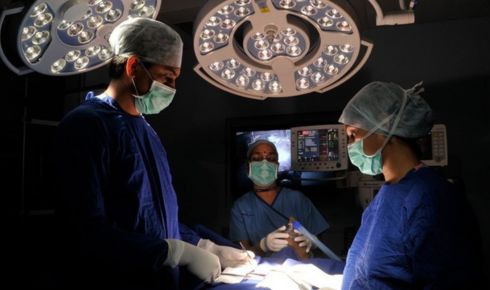
Modern surgery depends heavily on advanced medical technologies that improve precision, efficiency, and patient safety during procedures. Among the most important innovations used in operating rooms today is the medtech innovations improving cardiovascular outcomes. These advanced systems provide surgeons with the ability to cut tissue, seal blood vessels, control bleeding, and perform tissue dissection using different forms of controlled energy. As minimally invasive and robotic assisted procedures continue expanding worldwide, surgical energy platforms have become essential components of modern surgical care.

Healthcare providers increasingly rely on integrated energy systems because they support multiple surgical functions within a single platform. These technologies improve operating room workflow while helping surgeons perform complex procedures with greater control and accuracy.

The continued evolution of energy based surgical technologies is shaping the future of minimally invasive healthcare and improving outcomes for patients across many medical specialties.

Understanding Surgical Energy Technology

A surgical energy platform is a medical system designed to deliver controlled energy for surgical procedures. These systems typically combine multiple energy modalities that support tissue cutting, coagulation, vessel sealing, and tissue dissection during operations.

Electrosurgery is one of the most widely used energy technologies in healthcare. Electrosurgical systems use electrical current to cut tissue and control bleeding during procedures. Monopolar and bipolar devices are common forms of electrosurgical technology used across many surgical specialties.

Ultrasonic surgical devices use high frequency vibration energy to cut and seal tissue with reduced thermal spread to surrounding structures. Vessel sealing technologies combine pressure and electrical energy to close blood vessels securely during surgery.

Modern energy platforms often integrate several technologies into one system, allowing surgeons to perform different functions without changing equipment repeatedly during procedures.

Benefits for Surgeons and Patients

One of the most important advantages of advanced energy platforms is improved surgical precision. Controlled energy delivery allows surgeons to perform tissue dissection and vessel sealing more accurately while reducing damage to surrounding anatomical structures.

Patients often benefit from reduced blood loss, shorter operating times, and faster recovery when modern energy technologies are used effectively. Improved hemostasis during surgery can also help reduce complications and postoperative discomfort.

Energy based surgical tools support minimally invasive procedures by allowing surgeons to work efficiently within confined anatomical spaces. Smaller incisions generally result in reduced pain, lower infection risk, and shorter hospital stays.

For surgeons, integrated energy systems improve workflow efficiency and reduce the need for multiple separate devices during procedures. Ergonomic instrument designs and advanced controls also improve comfort and handling during lengthy operations.

Role in Minimally Invasive Surgery

Minimally invasive surgery has become a major focus in healthcare because it improves patient recovery and reduces surgical trauma. Surgical energy platforms play a critical role in supporting these advanced procedures.

Laparoscopic and robotic surgeries require specialized energy instruments capable of operating effectively through small incisions while maintaining precision and control. Energy devices allow surgeons to cut tissue and seal blood vessels efficiently within limited surgical spaces.

Advanced articulation and ergonomic designs improve instrument maneuverability during minimally invasive procedures. These features help surgeons access difficult anatomical areas more safely and accurately.

Robotic assisted surgery has further increased demand for integrated energy technologies compatible with robotic systems. Robotic energy devices support highly controlled tissue management during complex operations.

The continued growth of minimally invasive surgery programs worldwide is driving significant innovation within the surgical energy industry.

Applications Across Medical Specialties

Surgical energy platforms are used across many healthcare specialties because of their versatility and clinical value. General surgery procedures commonly rely on electrosurgical and vessel sealing systems during tissue dissection and bleeding control.

Gynecological surgeries use advanced energy technologies during hysterectomies, endometriosis treatment, and minimally invasive pelvic procedures. Urological surgeries benefit from precise tissue management during kidney and prostate operations.

Thoracic surgery frequently involves ultrasonic and vessel sealing devices during lung resections and chest procedures where delicate tissue handling is critical. Bariatric surgery also depends heavily on energy technologies during gastric procedures and tissue division.

Cardiovascular, colorectal, orthopedic, and neurosurgical procedures may additionally use specialized energy systems depending on clinical requirements.

The adaptability of modern energy platforms makes them essential tools in today’s operating rooms.

Technological Innovations Driving Industry Growth

Medical technology companies continue investing heavily in surgical energy research and development. Modern platforms are becoming more intelligent, efficient, and digitally integrated within surgical environments.

Some advanced systems include tissue sensing capabilities that automatically adjust energy delivery based on tissue characteristics. These features help optimize surgical performance while reducing unintended thermal damage.

Enhanced ergonomic designs improve surgeon comfort and precision during lengthy procedures. Wireless connectivity and digital interfaces are also becoming increasingly common within modern operating rooms.

Artificial intelligence and advanced analytics may influence future energy platforms by supporting procedural guidance, workflow optimization, and real time performance monitoring during surgery.

Manufacturers are additionally exploring integrated operating room ecosystems where imaging systems, robotic platforms, and energy devices function together seamlessly.

Importance of Safety and Training

Although surgical energy technologies provide many clinical advantages, proper training is essential for safe and effective use. Surgeons and operating room staff must understand how different energy modalities interact with tissue and how to use devices correctly during procedures.

Hospitals often provide specialized education programs focused on electrosurgical safety and advanced device operation. Manufacturers also support ongoing training initiatives that help healthcare teams remain informed about evolving technologies and best practices.

Routine equipment inspection, maintenance, and quality assurance are equally important for reliable performance and patient safety. Healthcare providers must ensure all systems comply with strict regulatory and safety standards before clinical use.

Strong training and quality management practices help reduce complications and improve surgical outcomes.

Economic and Operational Advantages

Integrated surgical energy platforms can improve efficiency within healthcare facilities by streamlining surgical workflows and reducing equipment complexity. Hospitals may benefit from simplified inventory management and reduced operating room setup time when using unified energy systems.

Advanced technologies may also support shorter procedures and faster patient recovery, helping healthcare providers improve resource utilization and operational performance.

As surgical volumes continue increasing globally, efficient energy platforms will remain important for maintaining high quality patient care and operational productivity.

Future Outlook for Surgical Energy Platforms

The future of surgery will likely involve greater integration of robotics, artificial intelligence, imaging systems, and digital healthcare technologies. Surgical energy platforms are expected to become more intelligent, automated, and adaptable to different procedural environments.

Future innovations may include advanced tissue recognition, enhanced feedback systems, and smarter surgical guidance technologies that further improve precision and patient outcomes.

As healthcare systems continue modernizing worldwide, surgical energy platform technology will remain central to the advancement of minimally invasive surgery, supporting safer procedures, improved efficiency, and better healthcare outcomes for patients globally.

Digestive Health Made Easier: A Complete Guide to Gastro Care in India

0

Digestive issues are something most people deal with at some point—acidity after a heavy meal, occasional bloating, or discomfort that just doesn’t feel right. But when these problems become frequent or severe, they shouldn’t be ignored. Thankfully, gastroentrology treatment in India has evolved significantly, offering reliable solutions for both common and complex digestive conditions.

Growth of Gastroenterology Services in India

India has seen a steady rise in specialized healthcare services, and gastroenterology is no exception. Hospitals in cities like Delhi, Mumbai, Chennai, and Hyderabad now have dedicated digestive care units equipped with advanced diagnostic tools.

Even smaller towns are catching up, with clinics offering basic endoscopy and consultation services. This wider reach has made it easier for patients to seek help early, without the stress of traveling long distances.

Common Digestive Disorders and Their Treatment

Gastroenterologists treat a broad range of conditions related to the digestive system. Some of the most common include:

  • Acid reflux and GERD
  • Irritable bowel syndrome (IBS)
  • Liver diseases such as hepatitis
  • Gastric ulcers
  • Swallowing disorders like dysphagia

Treatment depends on the condition’s severity. While some issues can be managed with medication and dietary changes, others may require advanced procedures or long-term monitoring.

Understanding Dysphagia and Its Challenges

Dysphagia, or difficulty in swallowing, can be more than just an inconvenience. It may cause discomfort while eating, a sensation of food getting stuck, or even pain during swallowing.

Fortunately, dysphagia treatment in India has improved with the availability of advanced diagnostic techniques. Doctors use tools like endoscopy, barium swallow tests, and manometry to identify the root cause.

Treatment varies depending on the underlying issue. It may include swallowing therapy, medication, or procedures to remove obstructions or widen the esophagus. Early diagnosis is crucial, as untreated dysphagia can lead to complications such as weight loss or respiratory problems.

Choosing the Right Gastro Specialist

Finding the right specialist is an important step in managing digestive health. Gastroenterologists are trained to diagnose and treat conditions affecting the stomach, intestines, liver, and pancreas.

When selecting a doctor, consider their experience and area of expertise. Some specialize in liver diseases, while others focus on advanced endoscopic procedures. It’s also helpful to choose a hospital with modern diagnostic facilities, as accurate testing plays a major role in effective treatment.

Equally important is communication. A doctor who listens carefully and explains things clearly can make the treatment process much more comfortable.

Importance of Early Diagnosis and Prevention

Many digestive problems develop slowly and may not show clear symptoms in the beginning. Ignoring signs like persistent acidity, swallowing difficulty, or unexplained weight loss can lead to serious complications.

Regular check-ups and timely consultation can help detect issues early. Alongside medical care, lifestyle changes play a key role. A balanced diet, adequate hydration, stress management, and regular exercise can significantly improve digestive health.

Cost and Accessibility of Treatment

One of the major advantages of seeking treatment in India is affordability. Compared to many other countries, medical procedures here are more cost-effective without compromising quality.

Private hospitals offer advanced facilities and quicker service, while government hospitals provide more budget-friendly options. Health insurance coverage has also improved, making it easier for patients to access necessary treatments.

Role of Technology in Gastro Care

Technology has transformed the way digestive disorders are diagnosed and treated. Modern endoscopic techniques allow doctors to detect issues with high accuracy and minimal discomfort.

Minimally invasive procedures have reduced recovery times, helping patients return to their normal routines faster. Teleconsultation services are also gaining popularity, making follow-up care more convenient.

Final Thoughts

Digestive health plays a crucial role in overall well-being, yet it is often overlooked. With the advancement of healthcare services, India now offers effective solutions for a wide range of gastrointestinal conditions.

The key is to stay aware of symptoms, seek timely medical advice, and follow a consistent treatment plan. With the right approach, managing digestive issues becomes easier—and life feels a lot more comfortable.

Finding the Right Care: A Complete Guide to Choosing a Urologist in Bangalore

0

When it comes to health, especially issues related to the urinary tract or male reproductive system, finding the right specialist can make all the difference. Bangalore, known for its advanced healthcare infrastructure, offers access to some of the most experienced medical professionals in India. If you’re searching for a reliable urologist in bangalore, understanding what to look for can help you make a confident and informed decision.

Understanding the Role of a Urologist

A urologist is a medical specialist trained to diagnose and treat conditions affecting the urinary system, including kidneys, bladder, ureters, and urethra. They also deal with male reproductive health issues such as prostate disorders, infertility, and erectile dysfunction. From common infections to complex surgeries, urologists handle a wide range of concerns.

In a city like Bangalore, where healthcare standards are high, patients have access to both general urologists and highly specialized experts in areas like robotic surgery, kidney transplants, and minimally invasive procedures.

Why Bangalore is a Preferred Healthcare Destination

Bangalore has emerged as a major healthcare hub in India due to its combination of skilled doctors, modern hospitals, and cutting-edge technology. Many hospitals here are equipped with advanced diagnostic tools and offer treatments that meet global standards.

Patients from across India—and even internationally—often travel to Bangalore for urological care. The availability of experienced specialists ensures that patients receive accurate diagnoses and effective treatment plans tailored to their needs.

Key Factors to Consider When Choosing a Urologist

Finding the right doctor isn’t just about credentials. There are several important factors to keep in mind:

Experience and Expertise

Look for a urologist with years of clinical experience, especially in treating your specific condition. For example, if you need surgery, choosing someone who specializes in minimally invasive or robotic procedures can lead to faster recovery.

Hospital Affiliation

Top urologists are often associated with reputed hospitals. This ensures access to advanced equipment, better support staff, and high-quality post-treatment care.

Patient Reviews and Feedback

Real patient experiences can give valuable insight into a doctor’s approach, communication style, and success rate. Positive reviews often indicate trust and reliability.

Communication and Comfort

A good urologist should make you feel comfortable discussing sensitive issues. Clear communication and a patient-friendly approach are essential for effective treatment.

Common Conditions Treated by Urologists

Urologists in Bangalore treat a wide range of conditions, including:

  • Kidney stones
  • Urinary tract infections (UTIs)
  • Prostate enlargement
  • Bladder issues
  • Male infertility
  • Erectile dysfunction

Early diagnosis and treatment can prevent complications, so it’s important not to ignore symptoms like pain, frequent urination, or blood in urine.

Advanced Treatments Available in Bangalore

One of the biggest advantages of seeking treatment in Bangalore is access to advanced medical procedures. Many hospitals offer:

  • Laser treatment for kidney stones
  • Robotic-assisted surgeries
  • Laparoscopic procedures
  • Endoscopic treatments

These modern techniques are less invasive, reduce hospital stays, and allow quicker recovery compared to traditional surgeries.

How to Find the Best Specialist for Your Needs

If you’re specifically searching for the best urologist in bangalore, start by shortlisting doctors based on qualifications, experience, and hospital reputation. You can also consult your general physician for recommendations or explore online medical platforms that list verified specialists.

Scheduling a consultation before committing to treatment is always a good idea. It helps you understand the doctor’s approach and gives you confidence in your decision.

Final Thoughts

Choosing the right urologist is an important step toward better health and peace of mind. Bangalore offers a wide range of skilled professionals and world-class facilities, making it one of the best cities in India for urological care.

Take your time to research, ask questions, and prioritize your comfort when selecting a specialist. With the right guidance and timely treatment, most urological conditions can be effectively managed, helping you lead a healthier and more comfortable life.

Creative Learning Activities for Kids to Boost Growth

0

 Engaging children in creative learning activities for kids is one of the most effective ways to develop their curiosity, problem-solving skills, and emotional intelligence. In today’s fast-paced world, combining play with learning is essential to ensure children remain motivated, inspired, and eager to explore. Activities that are hands-on, imaginative, and interactive allow kids to experiment, discover, and absorb knowledge in ways that traditional learning cannot provide. These experiences cultivate essential life skills, encourage self-expression, and help children develop confidence while exploring new ideas. Parents and educators who prioritize creative approaches give children the tools to succeed academically, socially, and emotionally.

Why Creative Learning Activities Are Important

Creative learning activities go beyond keeping children busy they foster cognitive, emotional, and social development. Children who regularly engage in creative projects show improved critical thinking, adaptability, and collaboration skills.

Some key benefits include:

  • Cognitive Development: Problem-solving games, puzzles, and science experiments improve logical thinking and memory.
  • Emotional Growth: Activities that involve self-expression, such as art or storytelling, help children understand emotions and build resilience.
  • Social Skills: Group projects and collaborative play teach communication, teamwork, and conflict resolution.
  • Motivation to Learn: Hands-on activities make learning exciting, encouraging lifelong curiosity.
  • Fine and Gross Motor Skills: Art, craft, and movement activities improve coordination and dexterity.

Creative learning transforms everyday experiences into opportunities for growth, helping children become well-rounded, confident learners.

 How to Choose the Right Activities

Choosing the best creative learning activities for kids depends on age, interests, and learning goals. Here are tips to select activities that are both fun and educational:

  1. Consider Age Appropriateness: Activities should match a child’s developmental stage. For example, toddlers enjoy sensory play, while older children benefit from problem-solving challenges.
  2. Balance Structure and Freedom: Provide guidance, but allow room for creativity and exploration.
  3. Incorporate Multiple Learning Styles: Include visual, auditory, and kinesthetic activities to engage all types of learners.
  4. Focus on Interests: Tailor activities to each child’s passions to maximize engagement.
  5. Use Everyday Materials: Household items can be transformed into creative tools, encouraging innovation without extra cost.

By thoughtfully selecting activities, children can enjoy learning while developing a diverse set of skills.

Top Creative Learning Activities for Kids

Here is a curated list of practical, engaging, and effective creative learning activities for kids that can be implemented at home or in educational settings:

 1. DIY Science Experiments

Hands-on science experiments spark curiosity and teach basic scientific principles. Examples include:

  • Making a volcano eruption with baking soda and vinegar
  • Creating a homemade lava lamp using oil, water, and food coloring
  • Exploring magnetism with household magnets and objects

These activities encourage observation, hypothesis testing, and problem-solving while making science exciting and accessible.

 2. Storytelling and Role-Play

Storytelling and role-playing activities develop communication, empathy, and creativity:

  • Encourage children to write and illustrate their own stories
  • Act out famous fairy tales or create new characters
  • Use puppets or toys to explore different scenarios

These activities enhance language skills, build imagination, and teach social understanding.

 3. Art and Craft Projects

Art is a powerful tool for self-expression and cognitive development:

  • Create collages using recycled materials
  • Experiment with painting techniques and textures
  • Make DIY musical instruments from household objects

Art projects improve fine motor skills, encourage originality, and provide a sense of accomplishment.

 4. Outdoor Exploration and Nature Play

Nature provides endless learning opportunities:

  • Organize scavenger hunts to identify plants, insects, and rocks
  • Collect leaves and create nature-inspired art
  • Use gardening activities to teach about life cycles and responsibility

Outdoor activities support physical health, environmental awareness, and observational skills.

 5. Music and Movement Games

Incorporating music and movement boosts memory, rhythm, and coordination:

  • Create dance routines or movement patterns
  • Play musical chairs or rhythm games
  • Introduce simple instruments for hands-on music exploration

These activities combine physical activity with learning, reinforcing cognitive and motor skills simultaneously.

Creative Learning at Home

Implementing creative learning at home does not require expensive resources. Parents can transform everyday moments into educational experiences:

  • Kitchen Science: Baking, measuring, and mixing ingredients teaches math, chemistry, and following instructions.
  • Everyday Math Games: Count objects, measure distances, or calculate costs during grocery shopping.
  • DIY Art Studio: Set up a small area for painting, coloring, and craft projects using recycled materials.
  • Interactive Storytime: Ask questions during reading to develop comprehension and critical thinking.
  • Technology Integration: Use educational apps to support coding, language learning, and problem-solving skills.

Home-based creative learning encourages continuous exploration while strengthening parent-child bonds.

Tips to Keep Kids Engaged

Maintaining interest in creative learning activities for kids requires planning and adaptability:

  1. Rotate activities regularly to prevent boredom.
  2. Introduce challenges gradually to build confidence and resilience.
  3. Encourage children to ask questions and explore independently.
  4. Combine individual and group activities for balanced social development.
  5. Celebrate achievements, no matter how small, to motivate continued participation.

These strategies ensure that children remain excited, curious, and committed to learning.

 Integrating Technology with Creative Learning

Technology can enhance traditional learning activities:

  • Educational Apps: Support math, reading, and science skills with interactive challenges.
  • Online Art Tutorials: Inspire creativity with new techniques and ideas.
  • Virtual Science Experiments: Explore complex concepts through simulations and interactive experiments.
  • Coding Games: Teach problem-solving, logic, and computational thinking in a playful way.

Using technology intentionally can complement hands-on experiences without replacing them, creating a balanced approach to learning.

 Encouraging Lifelong Learning

The ultimate goal of creative learning activities for kids is to foster a lifelong love of learning. Children who regularly explore, create, and experiment are more likely to:

  • Approach challenges with confidence and curiosity
  • Adapt to new situations effectively
  • Collaborate successfully with others
  • Develop critical thinking and problem-solving skills
  • Cultivate self-expression and emotional intelligence

By prioritizing creativity, children become independent, well-rounded learners prepared for the demands of the future.

 Conclusion

Integrating creative learning activities for kids into daily routines has profound benefits for cognitive, emotional, and social development. From hands-on science experiments to imaginative art and storytelling, each activity builds essential life skills while keeping learning enjoyable. Parents and educators who focus on innovative, interactive approaches provide children with tools to grow into confident, curious, and adaptable individuals. Encouraging exploration, questioning, and self-expression ensures children remain engaged and motivated, setting the foundation for a lifetime of curiosity and achievement. Resources and ideas from Lil People World can help make creativity a daily habit. Investing in creativity today empowers children to thrive academically, socially, and emotionally tomorrow.